Monday, November 13, 2017

The Curious Creative: Week 44

Writing with a Mirror


This is the forty-fourth installment of The Curious Creative, weekly 10-minute writing exercises for busy individuals interested in exploring their creativity. For the complete rationale, click here

My Thoughts:

In James Pennebaker and John Evans' Expressive Writing: Words That Heal, they write about the power of staring into your own eyes as you write by placing a mirror in front of your writing space. They pose that while making eye contact with yourself, you see yourself as others do, and this new perspective can help you gain new insight on a significant personal issue.

Though the aim of The Curious Creative is not necessarily to heal but to play, the two are not exclusive of each other. Therefore, I am curious how gazing into one’s own eyes can alter the style and content that comes out of one’s pen. For this week’s exercise, we will find out!

Your Turn!

1.   Place a mirror in front of your writing space, either up on the wall behind your computer or on the desk in front of your writing pad.

2.     At the top of the page, make a list of 3-4 things that came to your mind when you first woke up this morning. Circle one that you’d like to try writing about.

3.     Gaze at your eyes.

4.     Write continuously for 10 minutes. Periodically make eye contact with yourself as you write.

How did you do? Did your writing appear to take on a different audience? Did it seem more or less self-conscious? Did you delve deeper into whatever was initially on your mind, gaining a new insight? Did you feel more centered or connected to yourself?

To encourage each other and grow a community of Curious Creatives, sign in from a google account so you can share your creation in the comment box below. Also, if you subscribe to this blog (submit your email address in the "Follow this Site by Email" box to the right), you will get an email update whenever a new exercise is added. Thanks for playing!

Inspired by James Pennebaker and John Evans' Expressive Writing: Words That Heal

Monday, October 30, 2017

The 2017 Art Farm Anthology

For two weeks this past August-September, I was a resident at Art Farm in Marquette, NE. While there, I worked on revising poems and assembling a chapbook manuscript, which I completed and have since sent off to several presses. 

In the meantime, Five Oaks Press, edited by 2017 Art Farm resident Lynn Houston, recently published an anthology of the work of 2017 Art Farm residents. My poem, "Unnamable Voices," was published in this anthology alongside an illustration I did of one of the farmhouses on the property. 


Unnamable Voices 

I spent entire dinners imagining
the white of our house 
inhaling and exhaling
broken glass
candy wrappers
fallen feathers.

A shiver would pass through me
a strange gentle wind 
in the house like a chorus
like a breath of souls 
in worn mountains
crawling up thunderstorms

the wind on my neck
a current ruffling the swallows
stirring unnamable voices
old forgotten songs 
glorious under the eaves.


"Unnamable Voices," in a different form, was originally published by Two Cities Review in December 2014, and is a found poem created from Paul Harding's Tinkers (2010, Bellevue Literary Press).

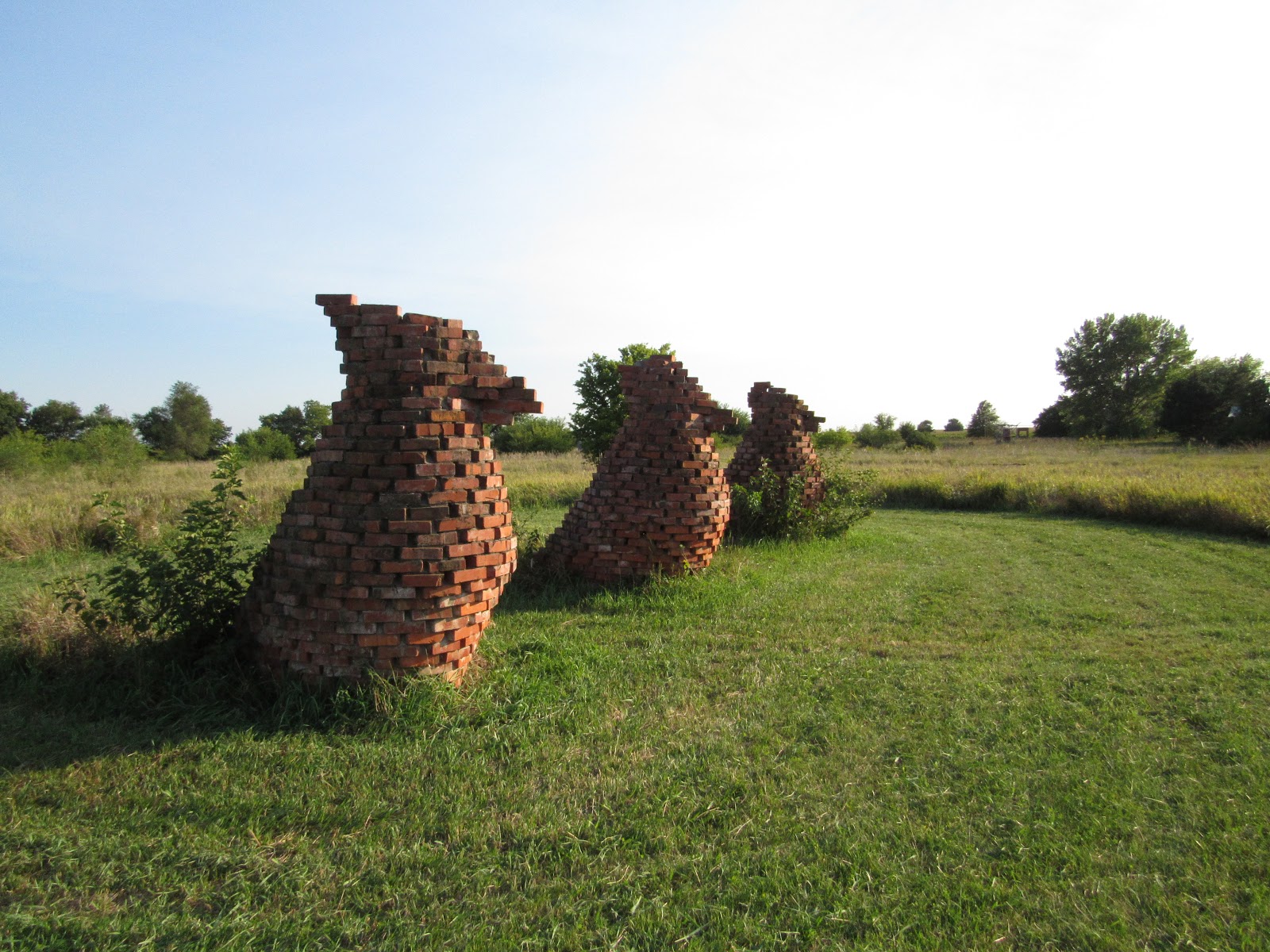
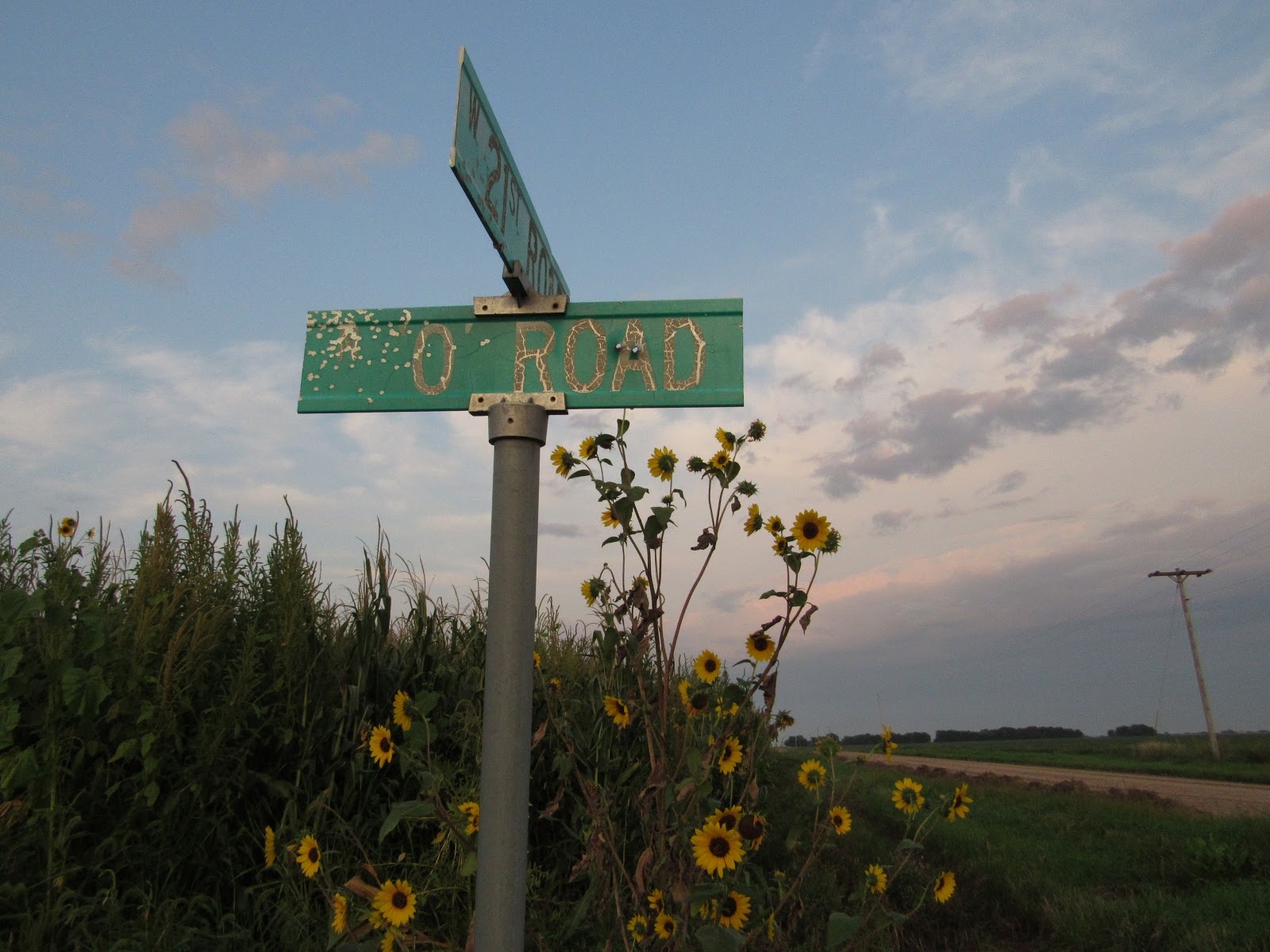
Pictures of my time at Art Farm:


Thursday, October 5, 2017

Seasick

She wasn’t prepared for how her body
would deceive her
how her own flesh would be so quick
to give away
hunger meant to feed her soul.
We underestimate
the undertow of the universe
how it pulls
our corporeal thingness far from shore
            to the primordial
so that we may swirl below surface
with life first arose
and how small we are in the company
 of such a force.
Her body succumbs to exhaustion
deforms, feels pain
as the new life gains presence, strengthens
takes shape.
It must feed off her and she must submit
to the current
let it do with her what it will
bob with the nausea
trust she will stay afloat in this space
where her body
is not hers and the being not complete
that time will

one day wash ashore two wholes.


First published: ESME, 12 Sept 2017. Web.

Wednesday, September 20, 2017

The Curious Creative: Week 43

The Red Wheelbarrow

This is the forty-third installment of The Curious Creative, weekly 10-minute writing exercises for busy individuals interested in exploring their creativity. For the complete rationale, click here

My Thoughts:

William Carlos Williams was both a modernist and imagist poet. Imagism called for precise imagery and direct, clear language. By focusing on one single image and describing it with “luminous details” as imagist poet, Ezra Pound, called them, the reader can experience the image’s essence. “The Red Wheelbarrow” is one of Williams’ most famous imagist poems:

The Red Wheelbarrow

so much depends
upon 

a red wheel
barrow
 
glazed with rain
water 

beside the white
chickens.

With a phrase like “so much depends upon,” the reader is left to fill in the blanks. Williams’ success is not only what he chose as his “luminous details,” but also that he picked an everyday object that, for most people, has many uses, connotations, and memories packed into it.

In this week’s exercise, you will also describe some everyday objects that have been lying around your house or your backyard, and choose one packed with the most meaning to create a poem modeled after Williams’. Your creative play will be the “luminous details” you choose.

Your Turn!

  1. Choose five tangible items from your home or wherever you are doing this writing exercise. Observe them closely. In writing, describe each briefly. 
  1. Choose one item from your list and write a poem based exactly on “The Red Wheelbarrow,” by coping the lines "so much depends/ upon" and keeping the line and stanza lengths. Fill in the rest with your description of the object you chose.  
  1. “Red,” “glazed with rain water,” and “beside the chickens” were the only three details Williams included. Your poem need not have more than three descriptive details, and they can be just as simple. Notice that Williams chose a color, a visual detail about its texture, and what the item is juxtaposed next to. Feel free to use these categories to guide you if you are stumped.
How did you do? Did the “luminous details” you chose, in fact, shine? Did following a model, in terms of phrases and line/stanza lengths help you focus on and isolate a few simple, yet, powerful details? Were you able to pack enough connotation into the particular object you chose?

To encourage each other and grow a community of Curious Creatives, sign in from a google account so you can share your creation in the comment box below. Also, if you subscribe to this blog (submit your email address in the "Follow this Site by Email" box to the right), you will get an email update whenever a new exercise is added. Thanks for playing!

Source: Inspired by teacher Stacy Chestnut’s exercise from her creative writing class at East High School, Wichita, KS, September 2017.